
Where Ethan stands.
A trustee's powers are narrow but real. Below is what Ethan would actually do with them.
Homes for the people who keep the island running
The Trust doesn't build housing. It makes housing possible or impossible. Right now, even good projects feel impossible, and the nurses, teachers, tradespeople, and families who hold this community together can't build a life here if they can't afford to stay.
Creating a false choice between housing and the island's ecosystem is lazy, and honestly it's a smokescreen. It avoids the real questions: what kind of housing, where, and for whom. Ethan would open clear pathways for practical workforce housing in the village core, on already-cleared land, and end the decade-long approval marathons that kill good projects by exhaustion.
Salt Spring has watched good things leave over that slow process. Mickey McLeod from Salt Spring Island Coffee has written about how the company ended up leaving the island after a slow no that came only once years of investment were already spent. As a trustee, Ethan wants the opposite instinct.
A system that too often says NO when it should be asking HOW. The problem, as Mickey McLeod from Salt Spring Island Coffee described it

Rebuild trust in the Trust
Trust is earned when the rules are clear, the record is open, and decisions are made on time with reasons. As taxpayers, we're paying for this after all, and it's time we start getting our money's worth.
If elected, Ethan would work for:
- Clear rules from the start.
- No shifting the goalposts.
- A real public application tracker.
- Published service standards.
- Written, transparent, justified reasons for decisions.
- Accountability for trustees.
- Results taxpayers can see.
Ethan has already built the Salt Spring Island Bylaw Checker, a public tool that helps residents and property owners understand how local bylaws and the Official Community Plan apply to a proposed project.
Ethan’s independent public-record tool, LTC Explorer, is now available as a public beta. It brings together applications, reports, and decisions so people can follow their history and check the original documents. It puts his commitment to transparency and accountability into practice by making public information easier to find, understand and use.
First Nations at the table
Reconciliation means building lasting partnerships with First Nations as governments and rights holders, respecting their knowledge, priorities, and authority. Ethan would work towards a relationship in which the Trust and First Nations shape land-use planning together from the outset. That partnership includes discussions about projects affecting the Nations' traditional territories.
That starts with listening and building relationships. Shared priorities and ways of working must be agreed together, with each Nation determining how it wishes to participate and what knowledge it chooses to share. Ethan would support partnership on the community plan, watershed health, shoreline protection, and cultural sites, with the resources needed to make that work possible.
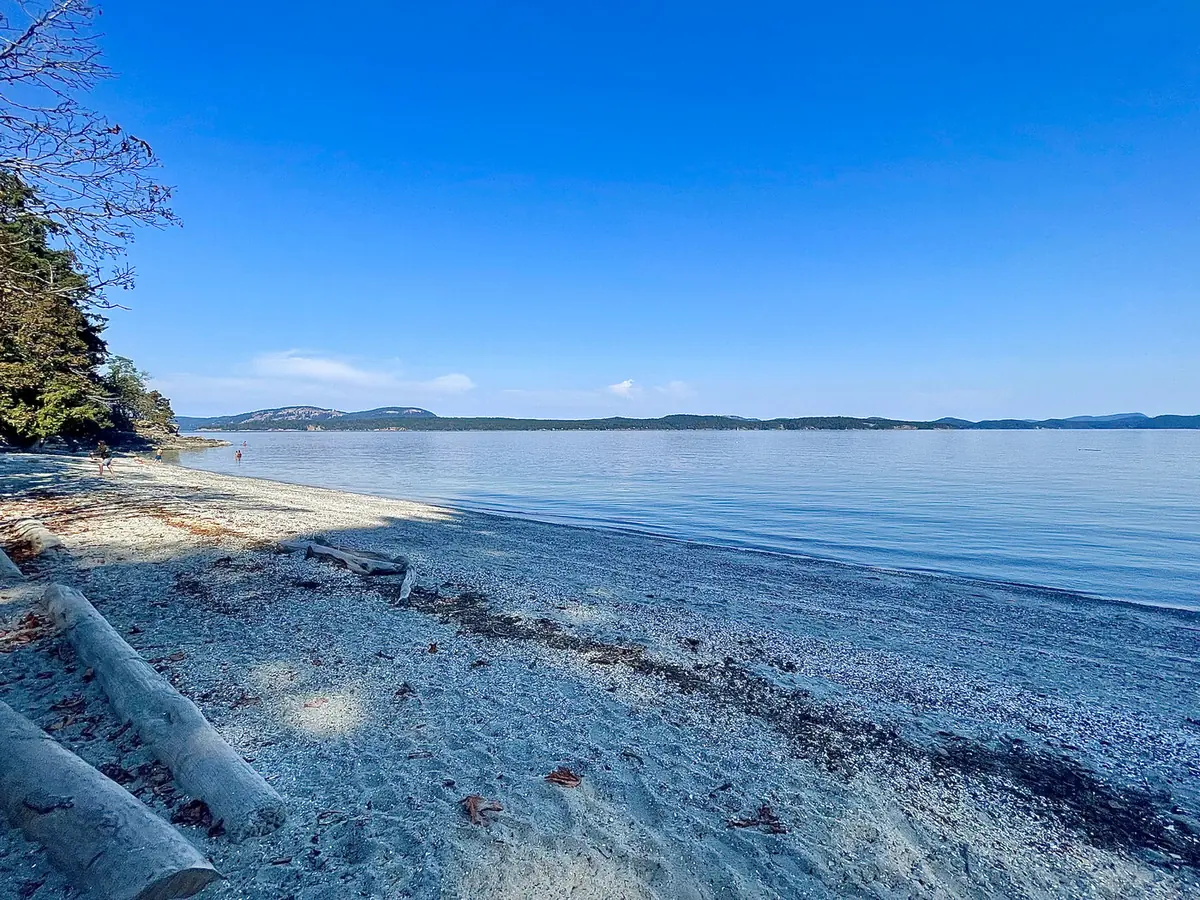
Ecological Stewardship
Water is the real limit on this island. Every Gulf Island sat under Level 4 drought, on a five-level scale, this past summer. The Trust can't create new water, but land use and water are fundamentally intertwined, and approval of land use has to be grounded in responsible watershed management.
Ethan would base land-use on what the watershed can actually carry: the ecological flows that keep creeks and fish alive first, the community's real needs second, luxury use last. And he'd make it easy to do the right thing, clearing the way for rainwater cisterns and grey-water reuse instead of treating them as exotic exceptions.
Preservation you can measure
We're all stewards here, and stewarding a forest means tending it, not just fencing it off and hoping for the best. Doing nothing and hoping for the best isn't protection. It's the slow erosion of everything we claim to value, dressed up as principle.
Ethan wants “preserve and protect” measured honestly: by the health of our watersheds, forests, and shoreline, using the best science available. The tools a trustee has (development permit areas, tree retention, FireSmart standards, OCP designation) are under-used. And the climate is changing now: wildfire risk and a shifting coastline mean the Trust has to stay nimble and adapt.
That includes the same standards for everyone, and universal shoreline protection is where that principle is clearest. One rule for every waterfront property, applied the same way regardless of who owns it.
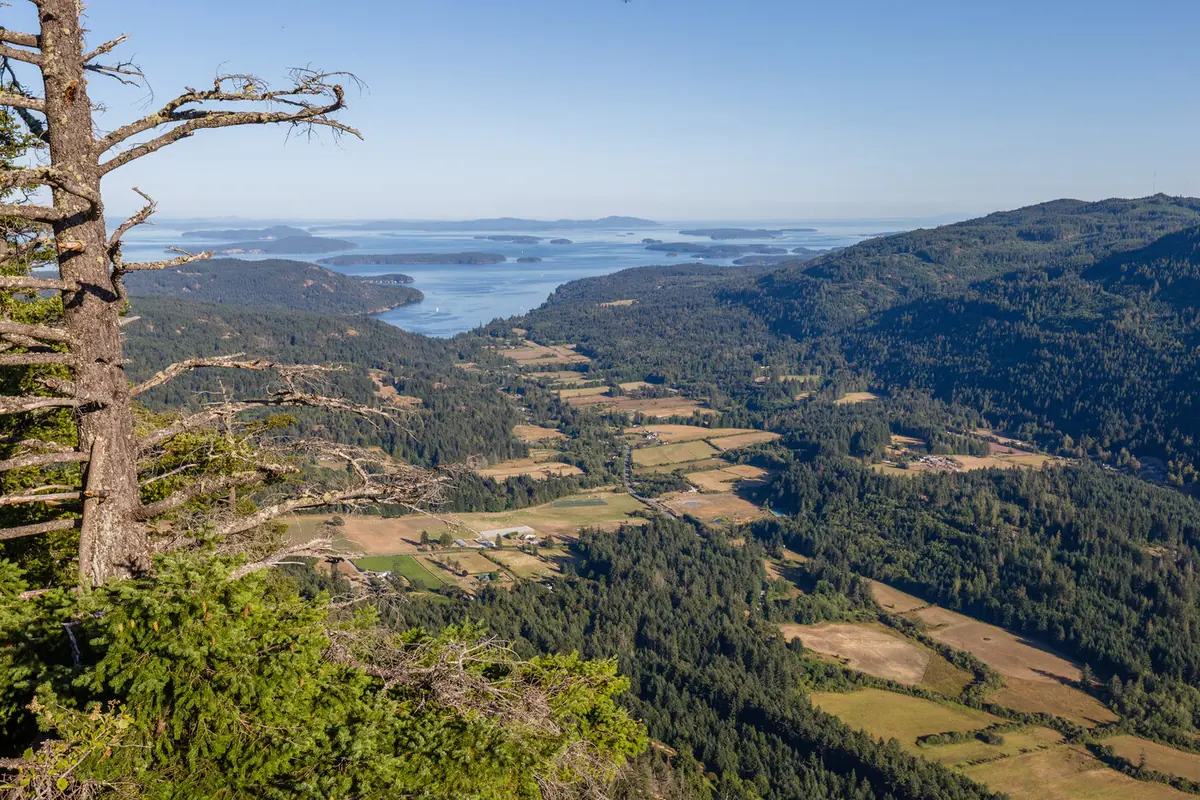

Let a farm house the people who work it
Farms need workers, and workers need somewhere to live. Food security starts with letting a farm legally house the people who work it.
Salt Spring leans heavily on ferries and imported food. A trustee can't set crop prices, but the levers a trustee does hold are real: farm-worker housing, water access, and farm-protective zoning.
Read the detailed answers
Ethan's answers to questions about the Trust, Salt Spring, and this campaign now have their own page.